
How to Find Right Eyewear Manufacturers from China (VI): How to Choose Eyewear Frame Materials–Acetate vs Metal vs TR90
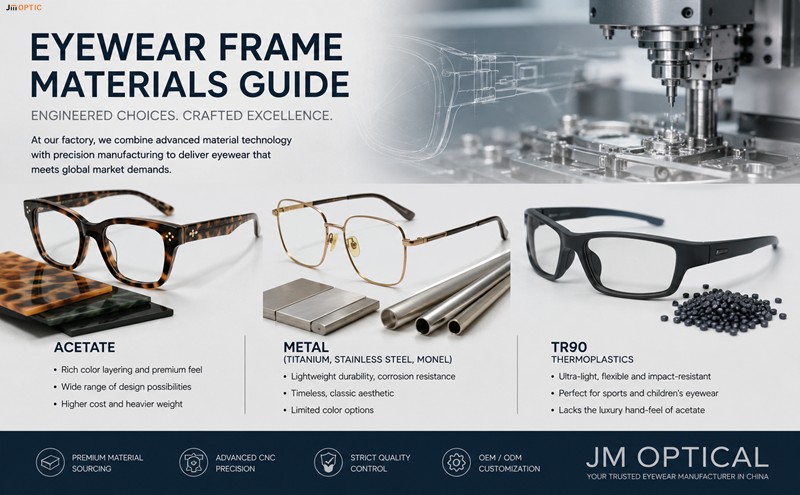
A buyer’s guide to frame material selection for optical retailers, brand owners, and importers.
Quick answer: When selecting eyewear frame materials for your collection, the three primary options are acetate, metal (titanium, stainless steel, monel), and TR90 thermoplastics. Acetate offers rich color layering and a premium feel, but comes at a higher price and heavier weight. Metal frames — especially titanium — deliver lightweight durability and a classic look, but limit color options. TR90 is ultra-light, flexible, and impact-resistant, making it ideal for sports and children’s eyewear, though it lacks the luxury hand-feel of acetate. The right choice depends on your target market, price point, and brand positioning.
Choosing the right eyewear frame materials is one of the most consequential decisions you’ll make when developing a collection. The material dictates the frame’s weight, durability, production cost, finish quality, and even which markets you can sell into. Get it wrong and you’re stuck with frames that feel cheap, break easily, or fail to meet regulatory standards. Get it right and your product sells itself on the showroom floor.
📌 This is Part 6 of our ongoing series: “How to Find Right Eyewear Manufacturers From China.” For context, see Part 1 (Manufacturing Hubs), Part 2 (Finding Suppliers), Part 3 (Evaluating Suppliers), Part 4 (OEM vs ODM vs OBM), and Part 5 (MOQ, Pricing & Payment Terms).
1. The Three Eyewear Frame Material Families
Eyewear frame materials can be grouped into three broad families, each with distinct manufacturing processes, aesthetic possibilities, and commercial implications.
1.1 Acetate (Cellulose Acetate)
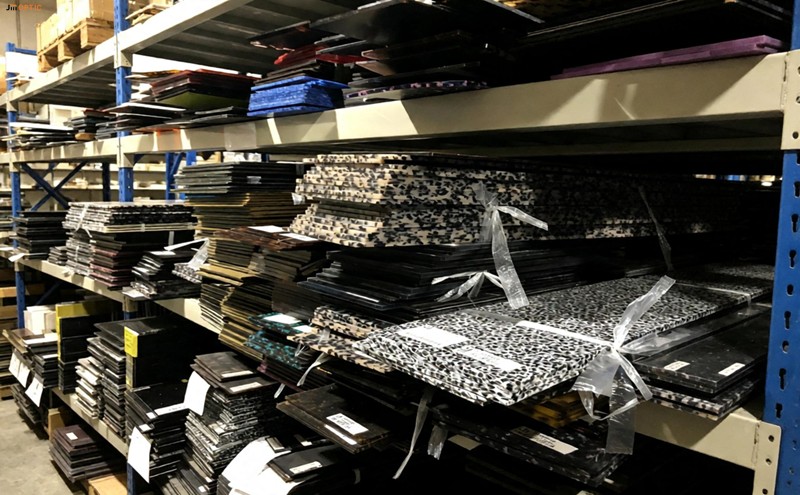
Acetate is a plant-based plastic derived from cotton fibers and wood pulp. It has been the gold standard for premium optical frames for over 70 years. Unlike injection-molded plastics, acetate is cut from layered sheets — a process that creates depth, richness, and the possibility of complex multi-color patterns (tortoiseshell, horn, marble).
1.2 Metal Frames
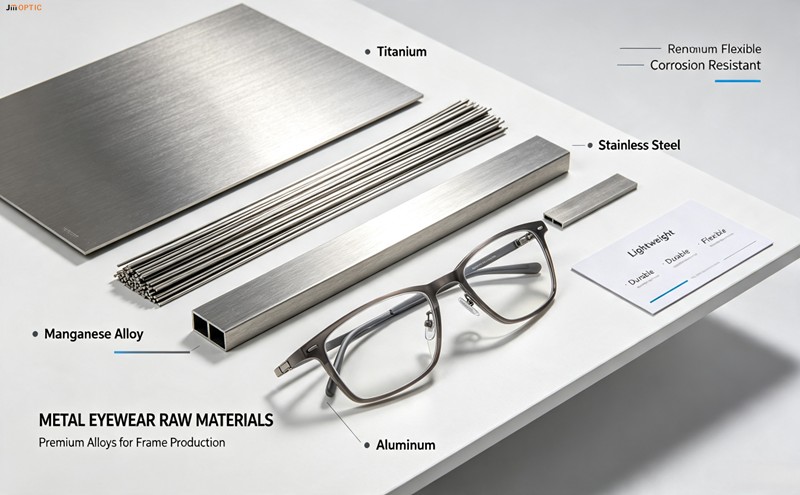
Metal eyewear includes a range of alloys and pure metals, each with different weight, flexibility, and corrosion-resistance profiles. The most common eyewear frame materials in the China manufacturing industry are titanium, beta-titanium, stainless steel, monel, and aluminum.
1.3 TR90 and Performance Thermoplastics
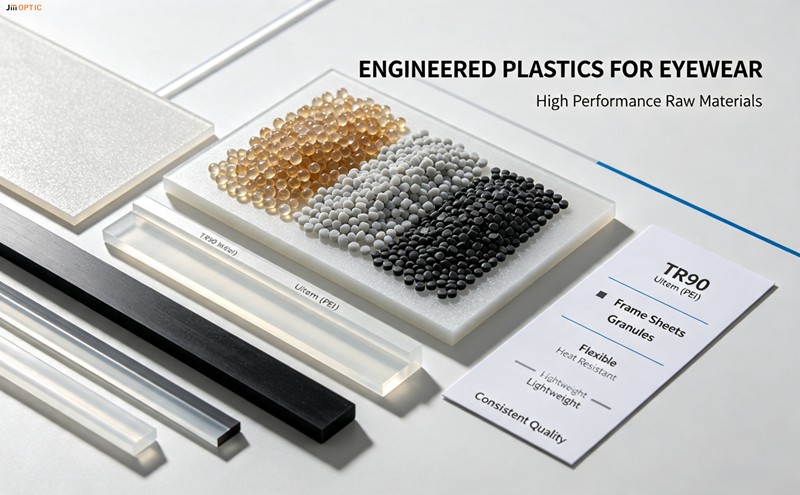
TR90 is a Swiss-developed thermoplastic (polyamide) known for extreme flexibility, light weight, and shape memory — it returns to its original shape after bending. Other thermoplastics in this family include Ultem (PEI), nylon, and polycarbonate, each with specific performance characteristics relevant to eyewear frame materials selection.
2. Acetate Frames — The Premium Contender
If you walk into any high-end optical boutique in Milan, Tokyo, or New York, acetate dominates the frame wall. It is the material of choice for luxury and mid-to-premium eyewear brands.
2.1 What Makes Acetate Distinctive
Acetate sheets are produced by layering colored cellulose acetate, then CNC-cutting and shaping each frame front from the slab. This means every frame carries a unique pattern — no two acetate frames are exactly identical. The material can be polished to a warm, organic lustre that injection-moulded plastics simply cannot replicate.
2.2 Key Production Steps for Acetate Frames
The acetate production process in our Wenzhou factory involves:
- Sheet cutting via CNC for precise frame shape
- Barrel tumbling — a 72-hour multi-stage polishing process using wood pellets and polishing compounds to achieve the desired surface finish
- Hand-finishing by experienced craftsmen for temple tips, hinge insertion, and final quality check
- Temple core wire insertion — a metal core wire inside acetate temples provides structural integrity and adjustable fit
2.3 Pros and Cons
Strengths:
- Rich, deep color with endless pattern possibilities
- Can be layered to create tortoiseshell, marble, crystal, and gradient effects
- Warm, organic hand-feel and premium perceived value
- Hypoallergenic — safe for sensitive skin
- Adjustable — opticians can heat and reshape acetate temples for a custom fit
- Can be re-polished to remove surface scratches
Limitations:
- Heavier than metal and TR90 — typically 25–35g per frame
- Higher per-unit cost (US$3–12 FOB for standard acetate optical frames)
- Longer production lead times due to hand-finishing steps
- Can become brittle over time if exposed to extreme heat or chemicals
- Not ideal for ultra-thin, minimalist silhouettes
2.4 Best Applications for Acetate
Acetate eyewear frame materials perform best in:
- Luxury and premium optical collections
- Fashion-forward sunglasses with bold colors and patterns
- Brands where tactile quality and perceived value drive purchase decisions
- Markets where consumers expect adjustability and long-term durability (Europe, North America, Japan)
3. Metal Frames — Lightweight, Classic, and Versatile
Metal frames have been a pillar of the optical industry since the 19th century. Today’s metal eyewear ranges from ultra-lightweight titanium to affordable monel alloys, covering nearly every price point.
2.1 What Makes Acetate Distinctive
Acetate sheets are produced by layering colored cellulose acetate, then CNC-cutting and shaping each frame front from the slab. This means every frame carries a unique pattern — no two acetate frames are exactly identical. The material can be polished to a warm, organic lustre that injection-moulded plastics simply cannot replicate.
2.2 Key Production Steps for Acetate Frames
The acetate production process in our Wenzhou factory involves:
- Sheet cutting via CNC for precise frame shape
- Barrel tumbling — a 72-hour multi-stage polishing process using wood pellets and polishing compounds to achieve the desired surface finish
- Hand-finishing by experienced craftsmen for temple tips, hinge insertion, and final quality check
- Temple core wire insertion — a metal core wire inside acetate temples provides structural integrity and adjustable fit
2.3 Pros and Cons
Strengths:
- Rich, deep color with endless pattern possibilities
- Can be layered to create tortoiseshell, marble, crystal, and gradient effects
- Warm, organic hand-feel and premium perceived value
- Hypoallergenic — safe for sensitive skin
- Adjustable — opticians can heat and reshape acetate temples for a custom fit
- Can be re-polished to remove surface scratches
Limitations:
- Heavier than metal and TR90 — typically 25–35g per frame
- Higher per-unit cost (US$3–12 FOB for standard acetate optical frames)
- Longer production lead times due to hand-finishing steps
- Can become brittle over time if exposed to extreme heat or chemicals
- Not ideal for ultra-thin, minimalist silhouettes
2.4 Best Applications for Acetate
Acetate eyewear frame materials perform best in:
- Luxury and premium optical collections
- Fashion-forward sunglasses with bold colors and patterns
- Brands where tactile quality and perceived value drive purchase decisions
- Markets where consumers expect adjustability and long-term durability (Europe, North America, Japan)
3. Metal Frames — Lightweight, Classic, and Versatile
Metal frames have been a pillar of the optical industry since the 19th century. Today’s metal eyewear ranges from ultra-lightweight titanium to affordable monel alloys, covering nearly every price point.
4.1 TR90 (Polyamide)
TR90 is the most versatile thermoplastic in eyewear frame materials for performance applications:
- Weight: as light as 8–10g per frame
- Flexibility: can be twisted 360° and snaps back to original shape
- Impact resistance: high — frequently used in sports and children’s eyewear
- Color options: wide range, but colors sit on the surface (painted or coated) rather than within the material like acetate
- Price: US$1.50–5 FOB for standard TR90 frames
Limitations:
- Surface color can wear off over time with heavy use
- Cannot be heat-adjusted by opticians — must be fitted cold
- Lower perceived value compared to acetate or titanium
- Not biodegradable
4.2 Ultem (PEI)
Ultem is an aerospace-grade thermoplastic with extreme heat resistance and tensile strength. It is gaining popularity in premium performance eyewear. Ultem frames are lighter than TR90 in some formulations, offer high heat resistance (up to 200°C), can be produced in transparent and translucent finishes, and cost more than TR90 — typically US$5–10 FOB.
4.3 Nylon and Polycarbonate
Nylon-based frames are common in sports sunglasses. Polycarbonate is occasionally used for budget sunglasses but is brittle and prone to cracking. These materials are generally injection-molded, giving less design flexibility than acetate cutting.
5. Comparison Table: Acetate vs Metal vs TR90
Factor | Acetate | Metal (Ti/SS) | TR90 |
Weight | 25–35g | 8–25g | 8–12g |
Durability | Good; fragile on hard impact | Titanium: excellent; SS: good | Excellent; nearly unbreakable |
Color options | Excellent; layered, multi-color | Good; limited to plating finishes | Good; surface-painted |
Perceived value | High; luxury feel | High (titanium); medium (SS/monel) | Medium; functional look |
Hypoallergenic | Yes | Titanium: yes; monel: no (nickel) | Yes |
Adjustability | Heat-adjustable | Mechanically adjustable | Cannot be heat-adjusted |
Price range (FOB) | US$3–12 | US$4–18+ (Ti); $3–8 (SS) | US$1.50–5 |
Lead time (custom) | 60–90 days | 60–90 days | 45–75 days (custom mold) |
Best for | Premium fashion, luxury optical | Classic, minimalist, high-end | Sports, kids, budget, active lifestyle |
6. How to Choose Based on Your Market
6.1 European and North American Markets
Acetate and titanium dominate the premium optical segment. European buyers typically favor bold acetate styles with rich tortoiseshell patterns. North American markets split between acetate for fashion-forward brands and lightweight titanium for everyday wear.
6.2 Middle Eastern and Latin American Markets
These markets are price-sensitive and trend-driven. Acetate with gold metal accents performs well. TR90 is growing in popularity for the youth and sports segments. Metal frames with flashy plating finishes (gold, rose gold) sell well for sunglasses. When selecting eyewear frame materials for these regions, balance cost with perceived value — a well-plated stainless steel frame with acetate temples often hits the sweet spot.
6.3 Performance and Niche Segments
For sports brands, cycling eyewear, and children’s frames, TR90 and Ultem are the natural first choice. The light weight, flexibility, and impact resistance are functional requirements, not nice-to-haves. For blue-light blocking eyewear and reading glasses, both acetate and TR90 are commonly used depending on the target price point.
7. Mixing Materials: Hybrid Frames
Some of the most interesting eyewear designs today combine materials. An acetate frame front with titanium temples. A metal bridge on a TR90 frame. Wood inlays in acetate. These hybrid designs let you leverage the best properties of multiple eyewear frame materials — the rich face-front of acetate with the lightweight comfort of titanium temples.
At JM Optical, we produce hybrid frames regularly for brands that want to differentiate their collection. The production process is more complex and cost typically runs 10–20% higher than single-material frames, but the market reception often justifies the premium.
8. Common Material-Related Quality Issues and How to Avoid Them
8.1 Acetate: Shrinkage and Warping
Acetate can shrink slightly over time, especially if frames are stored in hot, dry conditions. Ensure your factory uses properly aged acetate sheets — JM Optical ages acetate sheets for a minimum of 3 months before production to stabilise the material.
8.2 Metal: Plating Failure
The most common complaint with metal eyewear frame materials is plating that peels, scratches, or discolors. Specify IP plating for all metal frames, confirm plating thickness (minimum 0.5 micron for standard, 1.0+ for premium), and request salt-spray test reports for corrosion resistance.
8.3 TR90: Paint Adhesion
TR90’s low surface energy makes paint adhesion challenging. Ask your factory about their surface treatment process — plasma or corona treatment before painting significantly improves adhesion and longevity.
9. FAQ
Q: Which eyewear frame material is the most durable?
A: Titanium offers the best balance of strength, lightness, and corrosion resistance. For impact durability in sports and children’s contexts, TR90 is superior — it absorbs impact rather than cracking.
Q: Can acetate frames be recycled?
A: Not easily. Although acetate is bio-based, it is not biodegradable in normal conditions and recycling infrastructure for acetate eyewear is limited. Some brands are exploring bio-acetate formulations with higher biodegradability, but these remain niche.
Q: Do metal frames always contain nickel?
A: No. Pure titanium and beta-titanium frames are nickel-free and safe for allergy-prone wearers. Stainless steel may contain trace nickel depending on the specific alloy grade. Always ask your factory for material composition certificates if nickel sensitivity is a concern for your market.
Q: Why do acetate frames cost more than TR90?
A: Acetate production involves a labor-intensive, multi-stage process: CNC cutting from sheets, 72-hour barrel tumbling for polishing, and extensive hand-finishing. TR90 is injection-molded in seconds. The difference in production time, labor, and material cost accounts for most of the price gap.
Q: I want a lightweight frame but prefer the look of acetate. What are my options?
A: Consider a hybrid frame — acetate front with titanium temples. You get the rich acetate look and the lightweight comfort of titanium. Alternatively, thinner acetate profiles (4–5mm vs. standard 6–8mm) can reduce overall frame weight by 25–30%.
Q: What material certifications should I request from my supplier?
A: For EU markets, request REACH compliance certificates and nickel-release test reports (EN 1811). For US markets, FDA registration and CPSIA compliance documentation. For all markets, ask for material composition sheets and ISO 12870 test reports for frame durability. Understanding certification requirements for each eyewear frame material is essential before placing any bulk order.
10. About JM Optical
JM Optical (Shanghai JM Optical Co., Ltd.) is a manufacturer and exporter of optical frames, sunglasses, reading glasses, and blue-light-blocking eyewear. Our products are manufactured at our Wenzhou factory, with design and development based in Shanghai.
We work with all three major eyewear frame materials — acetate (from premium Italian and Japanese sheets), metal (titanium, stainless steel, monel), and TR90/thermoplastics — on both OEM and ODM production models. Our 48-hour barrel tumbling process for acetate frames and IP plating capability for metal frames are key differentiators that buyers notice in the finished product.
We supply wholesale buyers, private-label brands, and distributors across Europe, the Americas, and the Middle East.
MOQ: 12 pairs/color (ready stock) | 300 pairs/style · 100 pairs/color (OEM/ODM custom production)
Lead time: 7 days (ready goods) | 60–90 days (OEM/ODM)