
2026–2027 Global Eyewear Trend Report Part I: Aviator Eyewear – Chapter Three – The Top 10 Aviator Eyewear Trends Defining (II) – 3 Trends 4–6: Acetate, Titanium & Combination Aviators
Series: 2026–2027 Global Eyewear Trend Report | Category: Eyewear Trends | Author: JM Optical Trend Research Team | Reading Time: 15 Minutes
Executive Summary
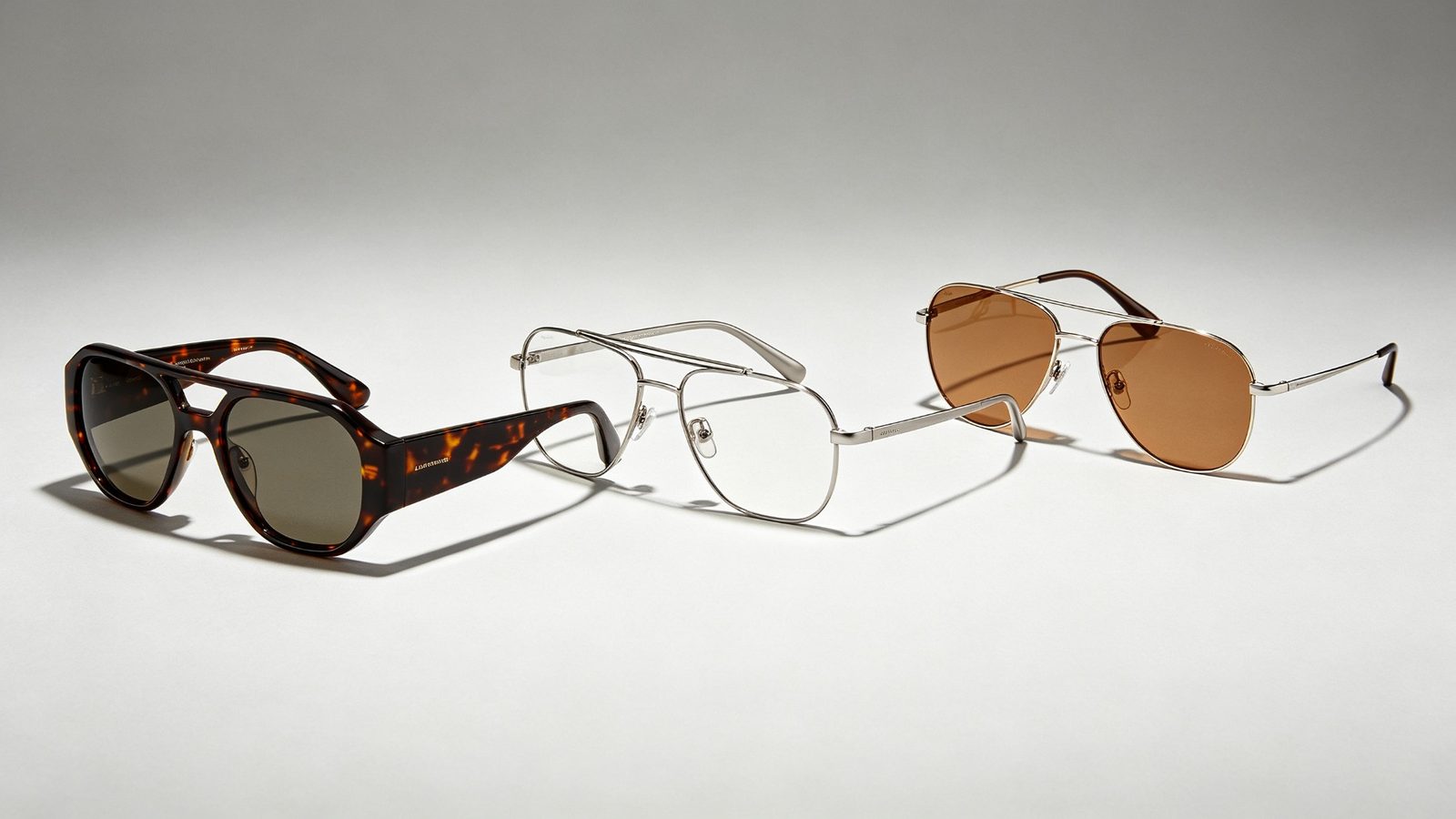
The aviator is no longer defined by one material.
For decades, the classic aviator was strongly associated with thin metal construction, double bridges and teardrop-shaped lenses. In the 2026–2027 market, that definition is becoming considerably broader.
The same recognizable pilot-inspired architecture is now being interpreted through:
- premium cellulose acetate
- lightweight titanium
- titanium and acetate combinations
- sculpted bridges
- layered construction
- refined temple engineering
- hybrid optical/sunglass applications
- more architectural interpretations of the traditional aviator
This evolution creates an important opportunity for eyewear brands.
The question is no longer simply: “Should we develop an aviator?” The more commercially relevant question is: “Which material architecture will give our aviator the strongest product identity?”
For OEM buyers and product developers, this distinction matters. Material selection affects not only appearance, but also:
- perceived value
- weight
- balance
- comfort
- durability
- manufacturing complexity
- MOQ
- development cost
- retail positioning
- collection differentiation
In this chapter, we examine three important directions:
- Trend 4 – Acetate Aviators: Classic pilot architecture becomes warmer, bolder and more expressive.
- Trend 5 – Titanium Aviators: The aviator moves toward lightweight engineering and technical refinement.
- Trend 6 – Combination Aviators: Acetate and titanium are combined to create a new balance between warmth, structure and performance.
2026–2027 Aviator Trend Map
The key development insight: These three trends should not be treated as interchangeable. Acetate gives the aviator emotional warmth and visual volume. Titanium gives it technical precision and lightweight performance. Combination construction allows a brand to use both languages simultaneously.
This makes material architecture one of the most important design decisions for an aviator collection.
TREND 4: Acetate Aviators — From Classic Metal to Premium Cellulose Acetate
Why This Trend Matters
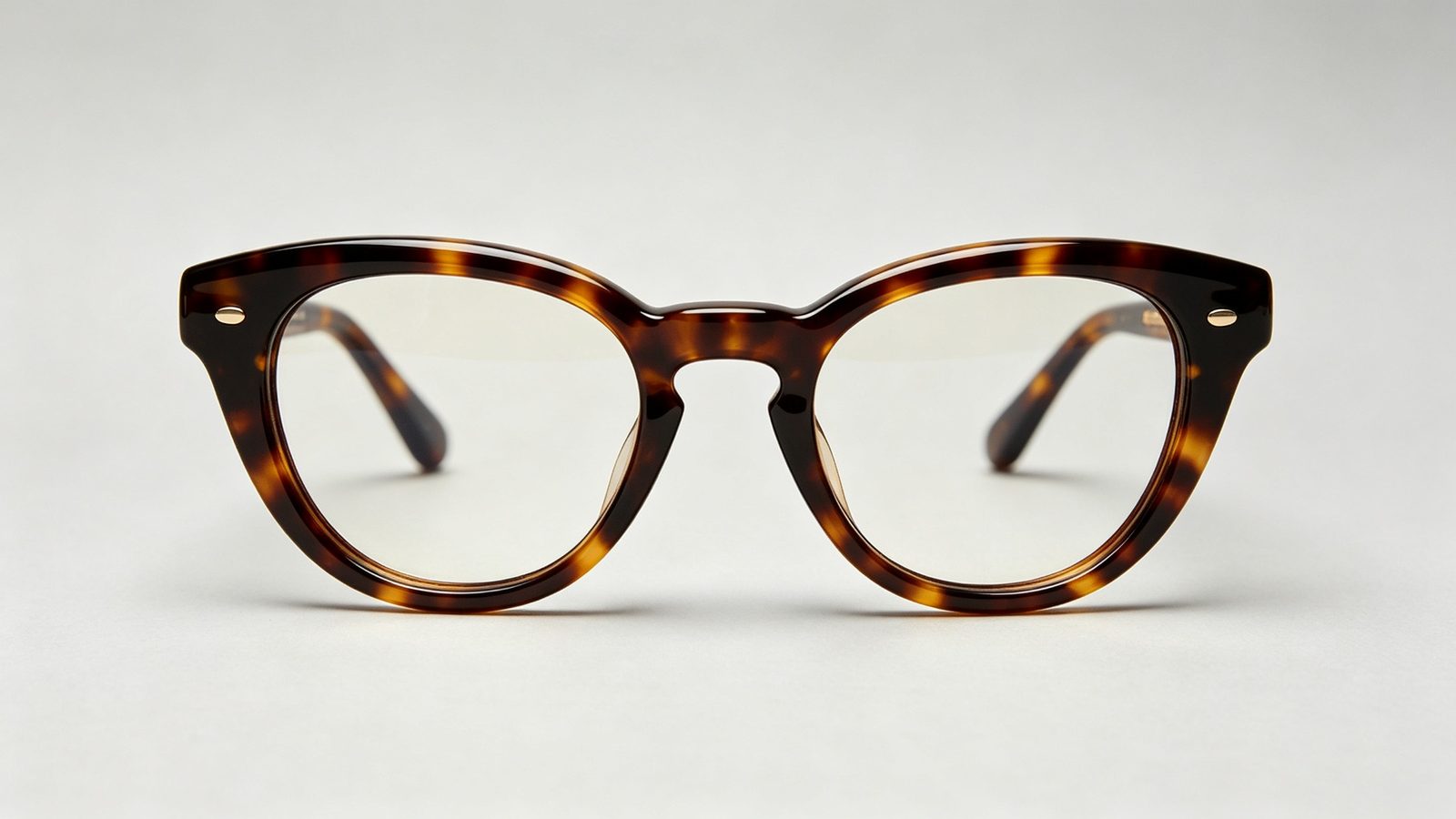
The traditional aviator is fundamentally a metal-frame story. Acetate changes that story. Instead of emphasizing the lightness and technical appearance of a thin metal frame, acetate creates a stronger visual object around the face.
The result is an aviator that feels: warmer, more substantial, more fashion-driven, more luxurious, more expressive, and more suitable for optical applications.
This is particularly important as the boundary between optical frames and sunglasses continues to become less rigid. An acetate aviator can therefore serve multiple commercial roles: optical → sun → fashion optical → unisex statement frame. That makes it particularly attractive for brands looking to develop collections with fewer but more commercially versatile SKUs.
The Design Language
The strongest acetate aviators for 2026–2027 are unlikely to simply copy a traditional metal aviator and make it thicker. Instead, designers are modifying the proportions.
- 1. Thicker rims – A thicker acetate profile immediately changes the visual authority of the aviator. Instead of appearing lightweight and utilitarian, the frame becomes a stronger fashion object.
- 2. Softer lens geometry – The classic teardrop can be softened into: rounded navigator, modified pilot, soft square aviator, slightly flattened pilot, geometric navigator. This makes the silhouette easier to wear as an optical frame.
- 3. Sculpted bridges – The bridge becomes a design element rather than simply a structural component. Possible directions include: broad keyhole-inspired bridges, integrated acetate bridges, layered bridges, sculpted top bridges, subtle double-bridge constructions.
- 4. Layered acetate – Multi-layer acetate can create depth without requiring excessive surface decoration. Color contrast can appear along the rim, around the eye shape, on the temple, around the bridge, or inside the bevel. This is particularly valuable for premium private-label collections.
Material Strategy
For premium acetate aviators, material selection should be considered at the beginning of the development process. The frame is not simply “made from acetate.” The grade, thickness, density, color structure, lamination and finishing all influence the final product.
- Classic premium acetate – Suitable for black, Havana, dark tortoise, crystal, brown, olive, deep burgundy.
- Layered acetate – Suitable for brands seeking more visual differentiation.
- Translucent acetate – Useful for creating a lighter, contemporary interpretation of an otherwise bold silhouette.
- Bio-acetate – A potential positioning option for brands looking to combine premium material aesthetics with a stronger sustainability narrative.
Manufacturing Perspective
Acetate aviators can look relatively simple on a computer screen. They are not necessarily simple to manufacture. The larger and thicker the frame becomes, the more important the relationship between material thickness + lens shape + front curvature + weight + bridge structure + temple balance becomes. For example, an oversized acetate aviator can easily become visually attractive but physically uncomfortable if the front is excessively heavy.
Factory Notes
For OEM development, several details should be evaluated early:
- 1. Acetate thickness – Thicker material creates stronger visual impact but increases weight and machining requirements.
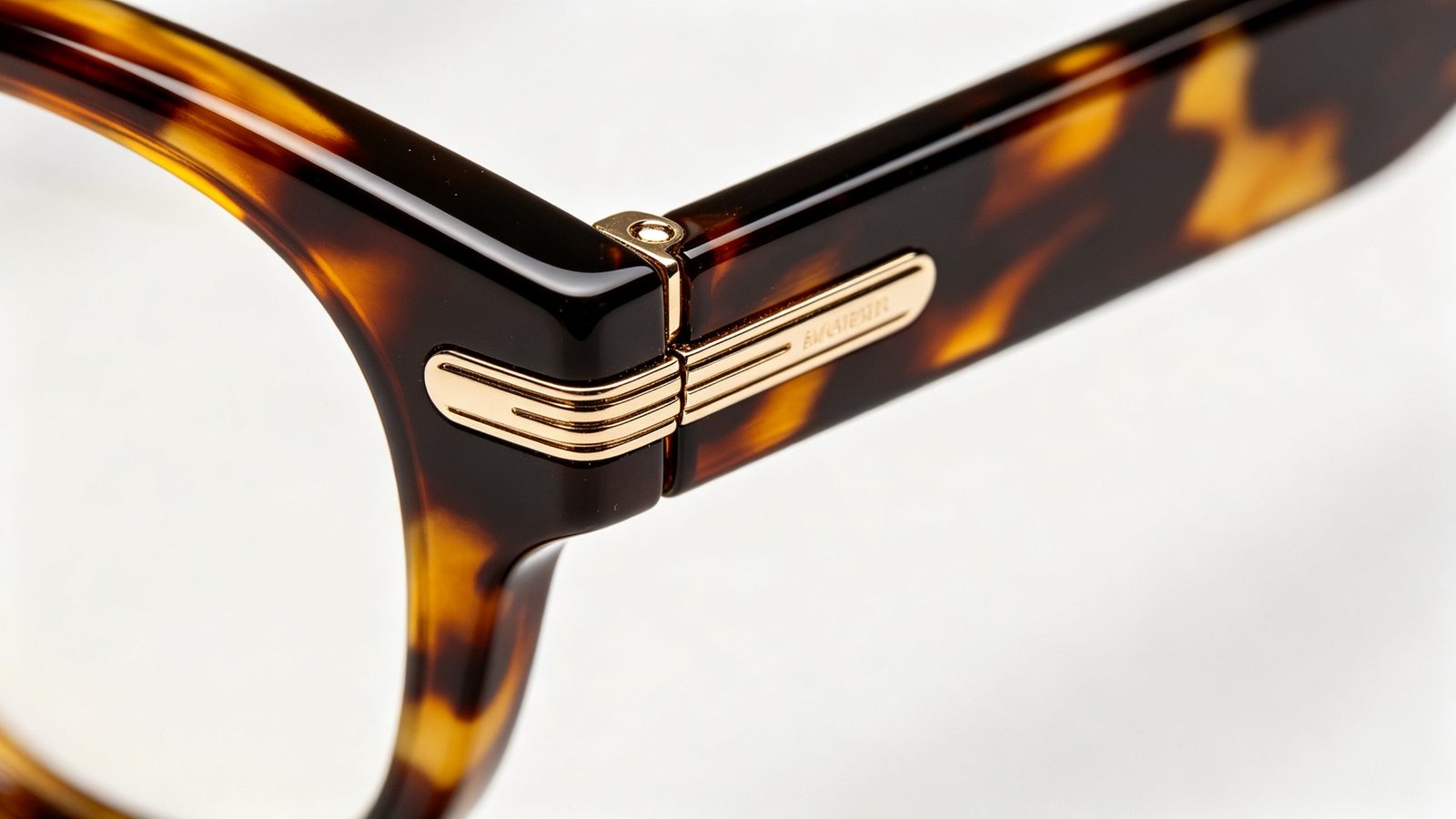
- 2. Bevel design – A carefully controlled bevel can make a thick frame appear more refined.
- 3. Lens groove – The groove must be consistent with the frame thickness and lens construction.
- 4. Hinge integration – A large acetate front requires reliable hinge reinforcement.
- 5. Core wire – Temple construction becomes increasingly important as frame weight increases.
- 6. Polishing – A premium acetate aviator depends heavily on edge polishing. The difference between a basic frame and a luxury-looking frame is often visible at the edge.
You can see a real example of this direction in our Retro Oversized Pilot Acetate Optical Glasses.
Commercial Development Opportunity
Acetate aviators are especially suitable for: premium optical brands, independent eyewear labels, private-label collections, fashion eyewear brands, boutique optical retailers, lifestyle brands, and brands targeting unisex collections.
Recommended Collection Strategy
Instead of launching ten similar acetate aviators, a stronger collection can use three distinct levels:
- Core Model – Classic black or Havana.
- Fashion Model – Translucent or layered acetate with stronger proportions.
- Statement Model – Oversized or sculpted acetate construction.
This creates a collection architecture rather than a collection of isolated products.
What We Can Learn from Luxury Eyewear
Luxury eyewear demonstrates an important principle: material itself can become part of the brand language. The value of an acetate frame does not come only from the word “acetate.” It comes from how the material is shaped, polished, layered and integrated with the overall architecture.
For OEM brands, this means that simply specifying “premium acetate” is not enough. The development brief should define: material grade, thickness, color structure, surface finish, bevel direction, edge polishing, hardware, logo treatment and temple construction.
OEM Insight
When should a brand choose acetate? Choose acetate when the objective is: more visual presence + stronger color + stronger fashion identity + premium tactile experience. Acetate is particularly powerful when the brand wants the aviator to become a recognizable signature frame rather than simply another classic shape.
JM Optical Design Inspiration
For a 2026–2027 JM Optical acetate aviator program, a strong development direction would be:
- Model A – Modern Classic: Medium-large aviator, dark Havana, medium-thick front, softened teardrop lens, polished bevel, minimal metal details.
- Model B – Transparent Luxury: Crystal or champagne translucent acetate, slightly oversized lens, thin metal temple, light gradient lens, minimal branding.
- Model C – Architectural Aviator: Stronger brow line, flattened lens profile, sculpted bridge, layered acetate, custom metal hinge.
The three models could share one recognizable design language while targeting different consumer groups.
TREND 5: Titanium Aviators — Lightweight Engineering Meets Premium Optical Design
Why This Trend Matters
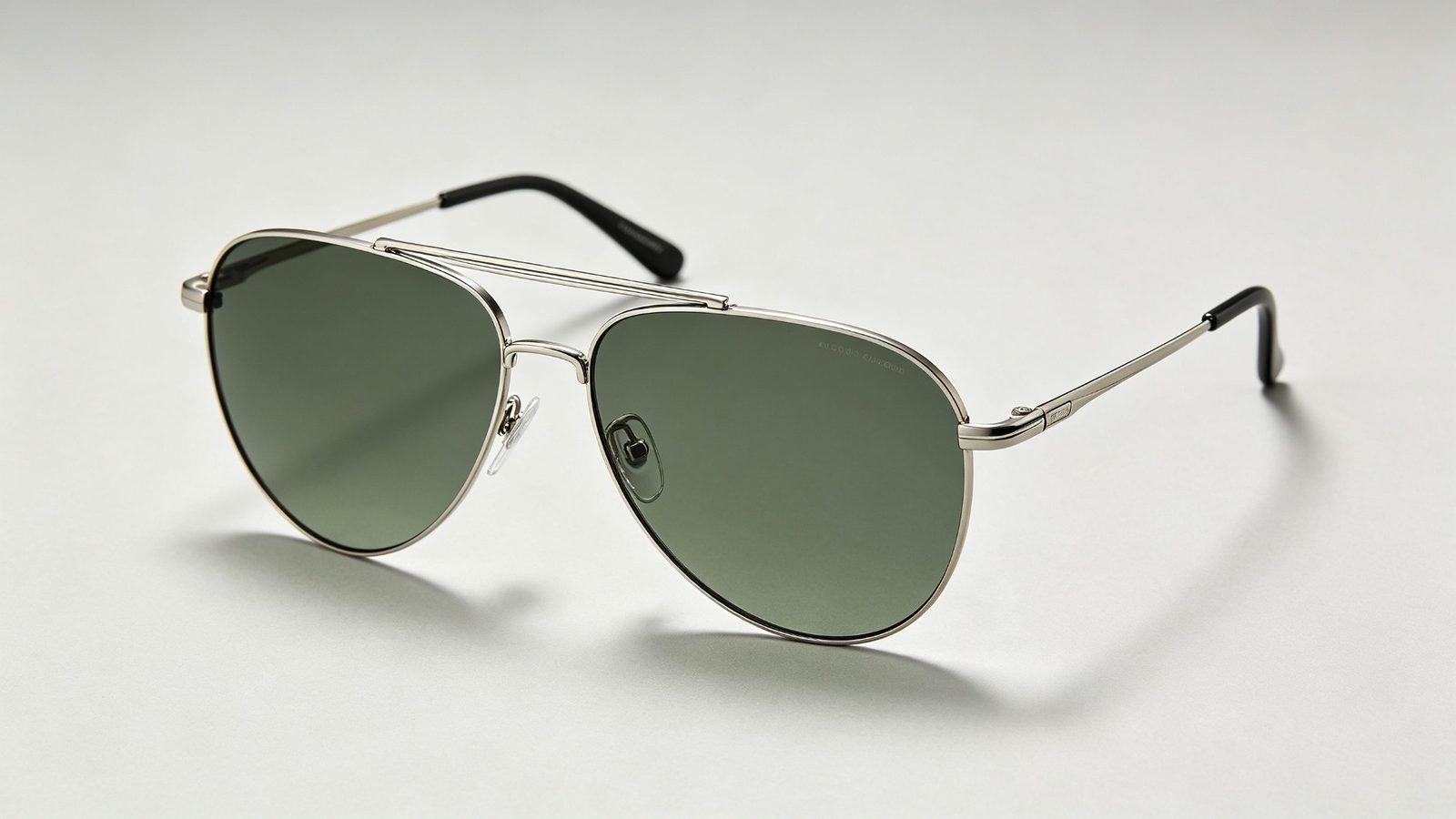
If acetate represents the emotional side of the modern aviator, titanium represents its engineering side. Titanium allows designers to preserve the recognizable pilot-inspired structure while significantly reducing the visual and physical heaviness of the frame.
This makes it particularly suitable for: premium optical, luxury eyewear, minimalist brands, lightweight collections, high-end unisex frames, and consumers prioritizing comfort. The modern titanium aviator is therefore less about military nostalgia and more about precision engineering.
The New Titanium Aviator
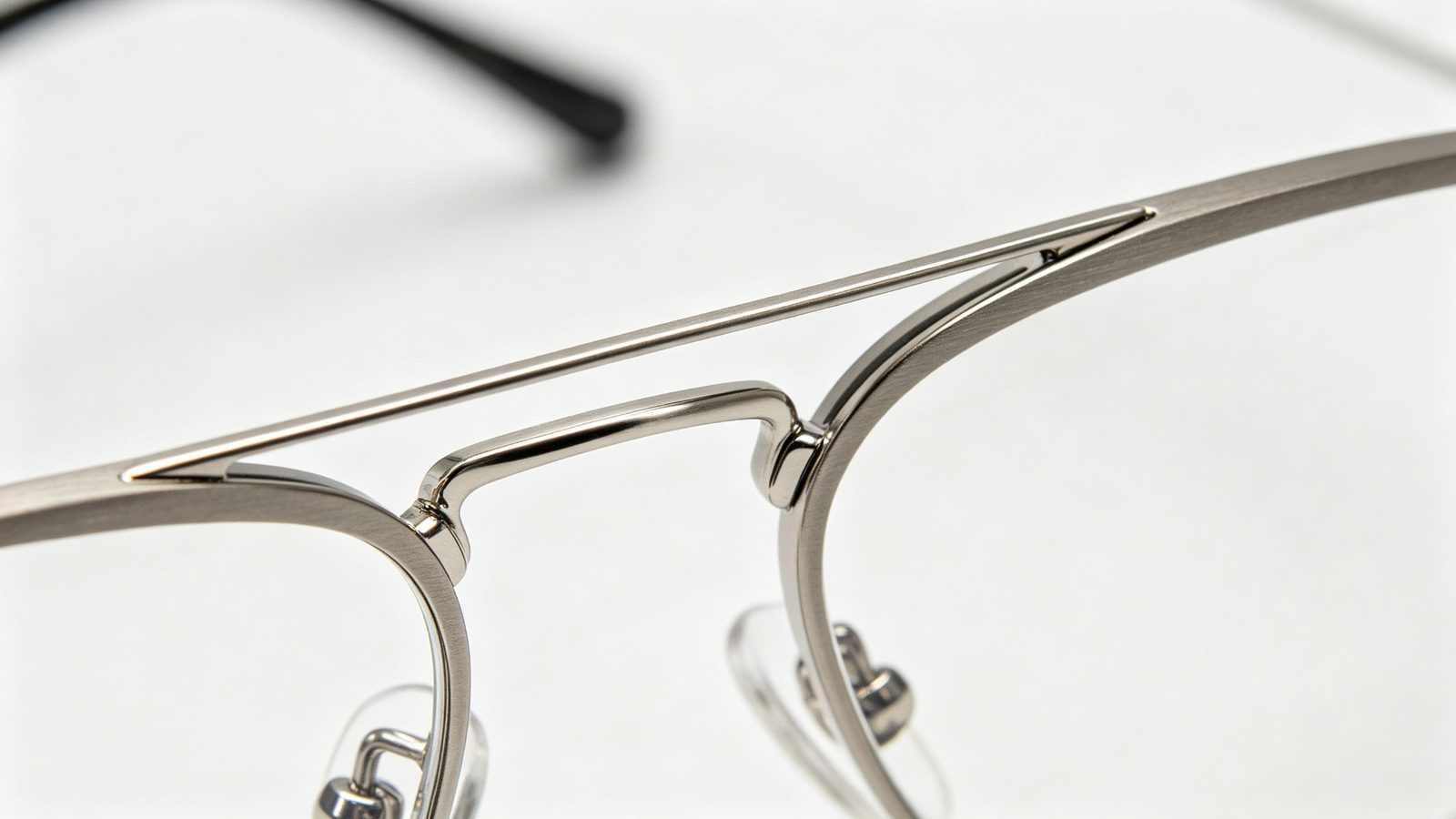
The strongest titanium direction is not necessarily the thinnest possible frame. Instead, designers are using thinness selectively. The frame can remain visually recognizable while individual components become highly refined. Examples include: thin rims, sculpted bridges, ultra-light temples, integrated nose pads, fine top bars, laser-engraved details, precision end pieces and controlled surface finishing.
This creates a new luxury language: less material, more precision.
Design Language
- 1. Slimmer visual architecture – The lens remains large enough to retain the aviator identity, while the frame becomes visually lighter.
- 2. Refined double bridges – Instead of a heavy conventional double bridge, designers can use fine titanium bars, sculpted bridge components, or minimal connecting elements.
- 3. Technical temples – The temple can become a major engineering feature: beta titanium temples, ultra-thin titanium profiles, engraved temples, adjustable nose pads, integrated temple tips.
- 4. Controlled surface contrast – Premium titanium does not need excessive decoration. Contrast can come from polished vs matte surfaces, brushed vs polished metal, dark titanium vs warm metal plating, or subtle laser engraving.
Manufacturing Perspective
Titanium requires a different manufacturing mindset from acetate. The challenge is not primarily material removal — it is precision control. Important processes can include: precision stamping, forming, welding, laser processing, surface treatment, plating, bending, component alignment and final adjustment.
Factory Notes
Titanium aviators require particularly careful attention to:
- Bridge alignment – Small deviations can become visually obvious because the frame is structurally minimal.
- Welding quality – The welding point must be mechanically reliable while remaining visually clean.
- Temple symmetry – Ultra-thin temples leave little room for dimensional inconsistency.
- Nose-pad positioning – Comfort depends heavily on accurate positioning and adjustment.
- Surface finishing – A premium titanium frame often uses subtle differences in polish, brushing or plating rather than heavy decoration.
See a manufactured example in our New Metal Aviator Sunglasses with Sharp Lower Edge Angles.
Why Titanium Works Well for Premium Optical
The optical market places different demands on an aviator than the sunglasses market. Consumers may wear the frame for long working hours, indoors, every day, with prescription lenses, and in professional environments. Therefore, weight and comfort become commercial advantages. A titanium aviator can retain the visual language of a large pilot frame while making the everyday wearing experience significantly more refined.
Brand Inspiration: Precision as Design
Matsuda provides a useful reference for how titanium can be treated as both structure and decoration. Its current aviator/navigator designs include lightweight titanium construction, layered or sculpted components, premium finishes and detailed craftsmanship rather than relying on silhouette alone. The lesson for OEM development is important: premium titanium design is not simply about making a frame thinner. It is about making every component look intentional.
Commercial Development Opportunity
Titanium aviators are particularly suitable for: premium optical brands, Japanese-inspired design brands, minimalist luxury labels, professional eyewear collections, lightweight comfort collections, and high-end private-label programs.
Recommended Product Architecture
A titanium aviator collection can be divided into:
- Essential Titanium – Clean, lightweight, commercial.
- Technical Titanium – More architectural bridge and temple details.
- Luxury Titanium – Premium finishing, engraving and advanced construction.
This creates a clear good-better-best structure for wholesale buyers.
Cost & Production Considerations
Titanium development generally requires greater manufacturing precision than conventional acetate construction. Therefore, the cost is influenced by more than the raw material. Consider: tooling, welding, component count, surface treatment, plating, nose-pad system, temple construction, quality control, adjustment and finishing time.
For an OEM buyer, reducing cost should therefore not mean simply reducing titanium thickness. A better approach is to simplify non-essential components while protecting the visible design features that create product identity.
OEM Insight
When should a brand choose titanium? Choose titanium when the objective is: lightweight performance + technical refinement + premium minimalism + long-wear comfort. The most successful titanium aviators are likely to communicate quality through construction rather than decoration.
JM Optical Design Inspiration
- Model D – Slim Titanium Pilot: Medium-large lens, fine titanium rim, refined double bridge, dark ruthenium or brushed titanium, minimal branding, lightweight temple construction.
- Model E – Sculpted Titanium Navigator: Slightly flatter lens, more architectural bridge, wider brow element, contrasting surface finish, premium nose-pad system.
- Model F – Luxury Technical Aviator: Titanium front, precision engraving, premium plating, subtle color contrast, fine temple detailing.
TREND 6: Combination Aviators — Where Acetate, Titanium and Metal Create New Design Possibilities
Why This Trend May Be the Most Important of the Three
Combination construction is not simply a compromise between acetate and metal. It is a different design strategy. The designer can assign different jobs to different materials. For example: acetate = visual warmth, titanium = structural precision, metal = technical detail. This makes combination construction especially powerful for premium eyewear brands.
The Material Dialogue
The modern combination aviator can be designed around contrast:
- Warm vs Technical – Acetate front + titanium temples.
- Bold vs Lightweight – Thick acetate eye shape + fine titanium structure.
- Vintage vs Modern – Classic pilot silhouette + contemporary metal engineering.
- Soft vs Architectural – Rounded acetate lens shape + geometric metal bridge.
The objective is not to make the frame look complicated. The objective is to make the material contrast feel intentional.
2026–2027 Combination Aviator Architecture
Several construction directions are particularly promising:
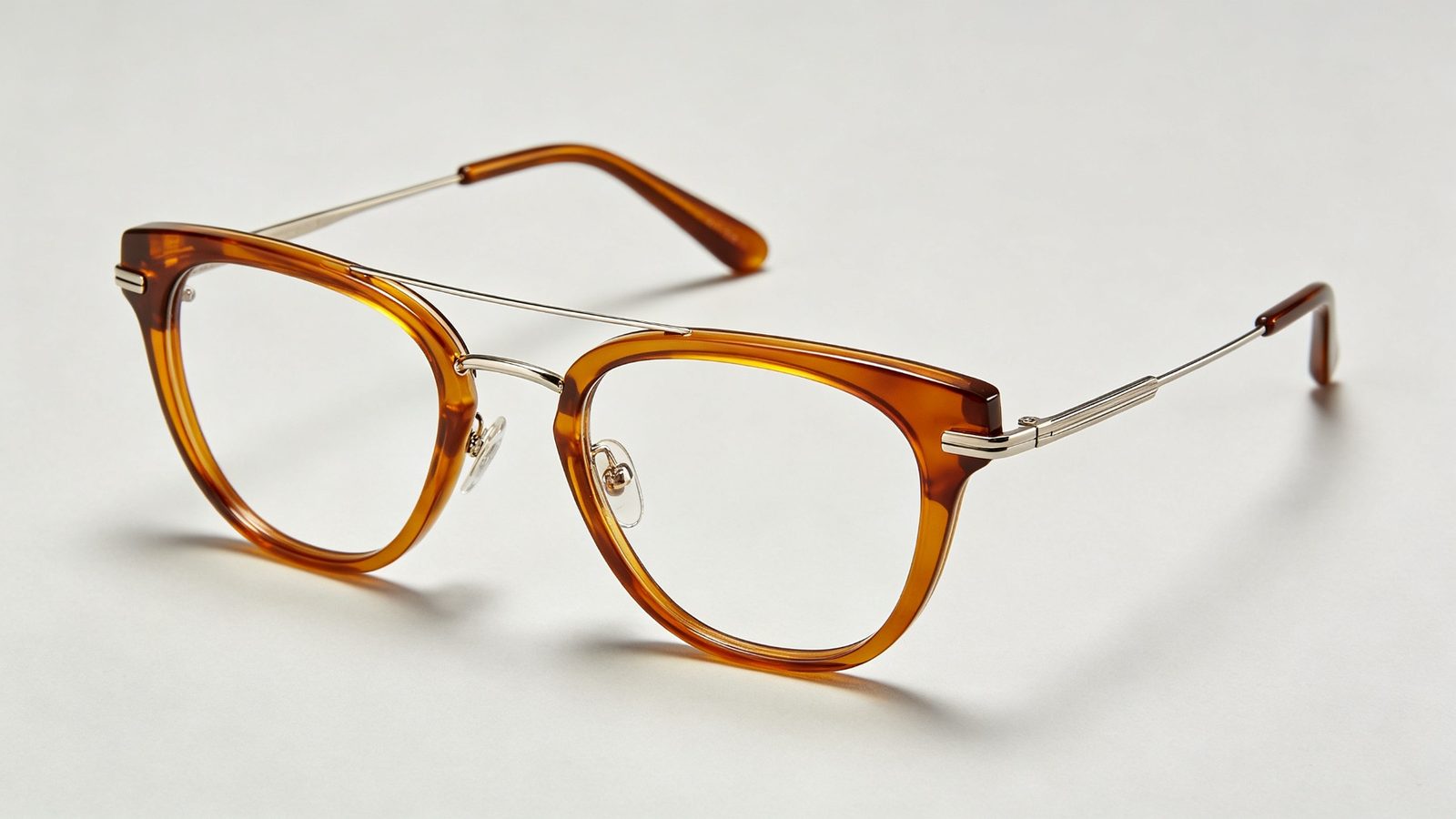
- 1. Acetate Front + Titanium Temple – One of the most commercially accessible approaches. The acetate creates the visual identity while titanium reduces temple weight.
- 2. Titanium Front + Acetate Temple – A more technical front can be softened through sculptural acetate temple tips or full acetate temple sections.
- 3. Acetate Insert + Titanium Structure – The metal provides the skeleton while acetate creates a visual focal point.
- 4. Titanium Bridge + Acetate Rim – This creates a sophisticated hybrid between classic metal aviators and modern acetate frames.
- 5. Layered Combination Construction – Multiple materials are deliberately exposed rather than hidden. This is particularly suitable for premium collections.
Brand Case: Bugatti Eyewear Collection Four
A useful current example comes from Bugatti Eyewear’s 2026 Collection Four. The collection introduced models using titanium and acetate together, including Model 50, while Models 101 and 102 use contemporary navigator silhouettes combining acetate and titanium. The same collection also includes ultra-light titanium and ultra-thin acetate/titanium constructions.
This is commercially interesting because it demonstrates that combination construction is not limited to one isolated product — it can become an entire collection architecture.
What We Can Learn
The lesson is not “copy a titanium-and-acetate frame.” The more useful lesson is: use different material combinations to create different levels of visual and technical complexity within the same collection. For a brand, that means one design language can support entry premium, core premium and statement luxury without completely changing the brand identity.
Another Strong Reference: Matsuda
Matsuda’s current aviator range provides another example of material hybridization. Its designs include titanium combined with Japanese acetate inserts or acetate temple components, demonstrating how lightweight metal structure can be balanced by warmer, more sculptural acetate elements.
This reinforces an important development principle: material contrast should have a functional reason. Acetate should not be added simply because it looks expensive. Titanium should not be added simply because it sounds technical. Each material should solve a design problem.
Manufacturing Perspective
Combination frames can be among the most technically demanding eyewear products to develop. The difficulty lies in the interface between materials. The key question becomes: how do two different materials become one stable, comfortable and visually precise product?
Critical Manufacturing Points:
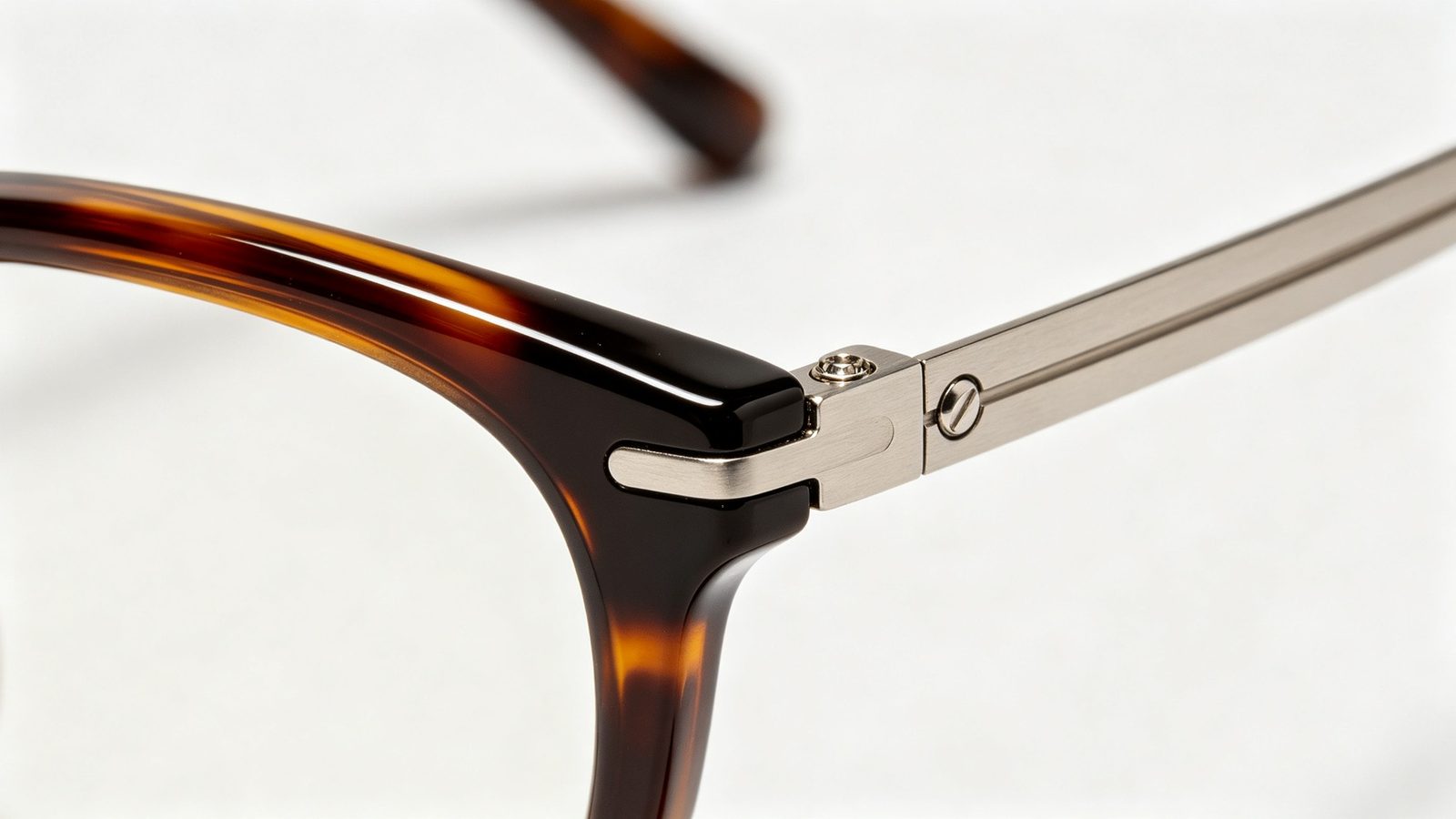
- 1. Connection Structure – The connection between acetate and metal must be mechanically reliable. Possible approaches include: precision screws, embedded components, riveted structures, custom end pieces, engineered connection blocks.
- 2. Dimensional Tolerance – Acetate and titanium behave differently during manufacturing and adjustment. A combination frame can look excellent in CAD but become difficult to assemble if tolerances are not considered from the beginning.
- 3. Alignment – The front, bridge and temple must remain visually symmetrical. This becomes particularly important when the metal structure is deliberately exposed.
- 4. Surface Transition – The transition between acetate and metal is a major visual quality indicator. A poor transition immediately makes the product look mass-market; a well-designed transition can become one of the frame’s signature details.
Factory Notes
For OEM development, combination frames should ideally involve the factory during the early engineering stage, not only after the design is finished. A professional development process should evaluate: material compatibility, connection method, component tolerance, assembly sequence, adjustment method, surface finishing and final QC. This approach reduces the risk of designing a visually impressive but commercially difficult frame.
See our manufactured example: Premium Aviator Acetate Metal Frame.
Cost & Production Considerations
Combination frames often have higher development complexity because they may require: more tooling, more components, more assembly operations, more QC checkpoints, additional surface finishing and greater alignment precision.
However, higher manufacturing complexity can be commercially justified when the construction itself becomes part of the product story. For premium B2B customers, this can be an advantage: a more technically distinctive frame is harder to compare purely on unit price.
OEM Insight
When should a brand choose combination construction? Choose it when the objective is: distinctive design + material storytelling + premium positioning + technical differentiation. Combination construction is especially suitable for brands that do not want to compete purely on shape. Instead, the product can be differentiated through shape + material + engineering + craftsmanship.
JM Optical Design Inspiration
- Concept 1 – Acetate Statement / Titanium Core: A bold acetate aviator front combined with an extremely fine titanium temple. Positioning: premium fashion optical.
- Concept 2 – Titanium Navigator / Acetate Detail: A lightweight titanium front with acetate temple tips and controlled color accents. Positioning: lightweight luxury.
- Concept 3 – Layered Hybrid Aviator: Acetate rim + titanium bridge + titanium temple + custom metal end piece. Positioning: high-end designer collection.
- Concept 4 – Technical Vintage: Classic pilot proportions combined with modern titanium engineering and vintage acetate colors. Positioning: heritage-inspired premium eyewear.
Acetate vs Titanium vs Combination
Here is how the three material directions compare across the criteria that matter most to buyers and product developers.
| Trend | Trend Heat | Commercial Potential | Manufacturing Complexity | Best Positioning |
|---|---|---|---|---|
| Acetate Aviators | ★★★★★ | ★★★★★ | ★★★★☆ | Premium / Fashion / Optical |
| Titanium Aviators | ★★★★★ | ★★★★☆ | ★★★★★ | Premium / Technical / Lightweight |
| Combination Aviators | ★★★★★ | ★★★★★ | ★★★★★ | Luxury / Premium / Design-led |
| Feature | Acetate | Titanium | Combination |
|---|---|---|---|
| Visual Presence | ★★★★★ | ★★★☆☆ | ★★★★★ |
| Lightweight Potential | ★★★☆☆ | ★★★★★ | ★★★★☆ |
| Color Possibilities | ★★★★★ | ★★★☆☆ | ★★★★☆ |
| Technical Image | ★★★☆☆ | ★★★★★ | ★★★★★ |
| Manufacturing Complexity | Medium–High | High | Very High |
| Premium Positioning | ★★★★★ | ★★★★★ | ★★★★★ |
| Fashion Expression | ★★★★★ | ★★★★☆ | ★★★★★ |
| Optical Application | ★★★★★ | ★★★★★ | ★★★★★ |
| Design Differentiation | ★★★★☆ | ★★★★☆ | ★★★★★ |
The Bigger Trend: Material Architecture Becomes Brand Architecture
The most important development from these three trends is not simply the rise of acetate or titanium. It is the increasing importance of material architecture.
In previous generations, the primary design question was often: what shape should the frame be? For 2026–2027, premium eyewear development increasingly asks: what combination of shape, material and construction can make this frame recognizable?
This creates a more sophisticated product-development hierarchy:
- Shape – determines the first visual impression.
- Material – determines tactile and emotional character.
- Construction – determines technical identity.
- Finishing – determines perceived quality.
- Brand detail – creates recognition.
The strongest products bring all five together.
Commercial Development Recommendations for Buyers
For brands developing an aviator collection for 2027, JM Optical recommends avoiding a collection composed entirely of similar classic metal pilots. Instead, consider a three-material collection architecture:
- 01 – Acetate Hero: A visually strong model designed to create immediate collection identity.
- 02 – Titanium Essential: A lightweight everyday model focused on comfort and refinement.
- 03 – Combination Statement: A technically distinctive model designed to create premium differentiation.
This structure gives a collection three different reasons to purchase.
Recommended OEM Development Workflow
- Step 1 — Define the consumer: Is the product fashion-led, optical-first, luxury, lightweight, unisex, or vintage-inspired?
- Step 2 — Select the material architecture: Choose acetate, titanium or combination before finalizing every decorative detail.
- Step 3 — Establish the silhouette: Define eye size, bridge width, lens geometry, brow line, front thickness and temple proportion.
- Step 4 — Engineer the construction: Evaluate hinge, bridge, core wire, welding, connection points, nose pads and temple structure.
- Step 5 — Develop the finishing: Consider polishing, brushing, plating, engraving, lamination and logo application.
- Step 6 — Prototype and adjust: The first prototype should be evaluated for weight, balance, comfort, alignment and visual proportion.
- Step 7 — Build the commercial SKU structure: A collection should contain Core + Fashion + Statement, rather than simply multiple color variations of the same frame.
Final Outlook: Aviator 2027 Is About Engineering the Icon
The aviator is not disappearing. It is becoming more sophisticated. The next generation of aviator eyewear will increasingly be defined by the relationship between heritage silhouette, modern material, precision engineering and premium finishing.
Acetate gives the aviator warmth and presence. Titanium gives it lightness and precision. Combination construction gives designers the freedom to use both.
For eyewear brands, this creates a significant commercial opportunity. For OEM manufacturers, it creates an even more important responsibility: the factory is no longer simply responsible for producing the designer’s frame — the factory’s engineering capability increasingly becomes part of the product’s design language. That is why material selection, structural engineering, manufacturing tolerance and finishing quality should be considered from the beginning of product development.
For 2026–2027, the winning aviator will not necessarily be the one with the most dramatic shape. It may be the one where shape, material and engineering are most intelligently integrated.
JM Optical OEM Perspective
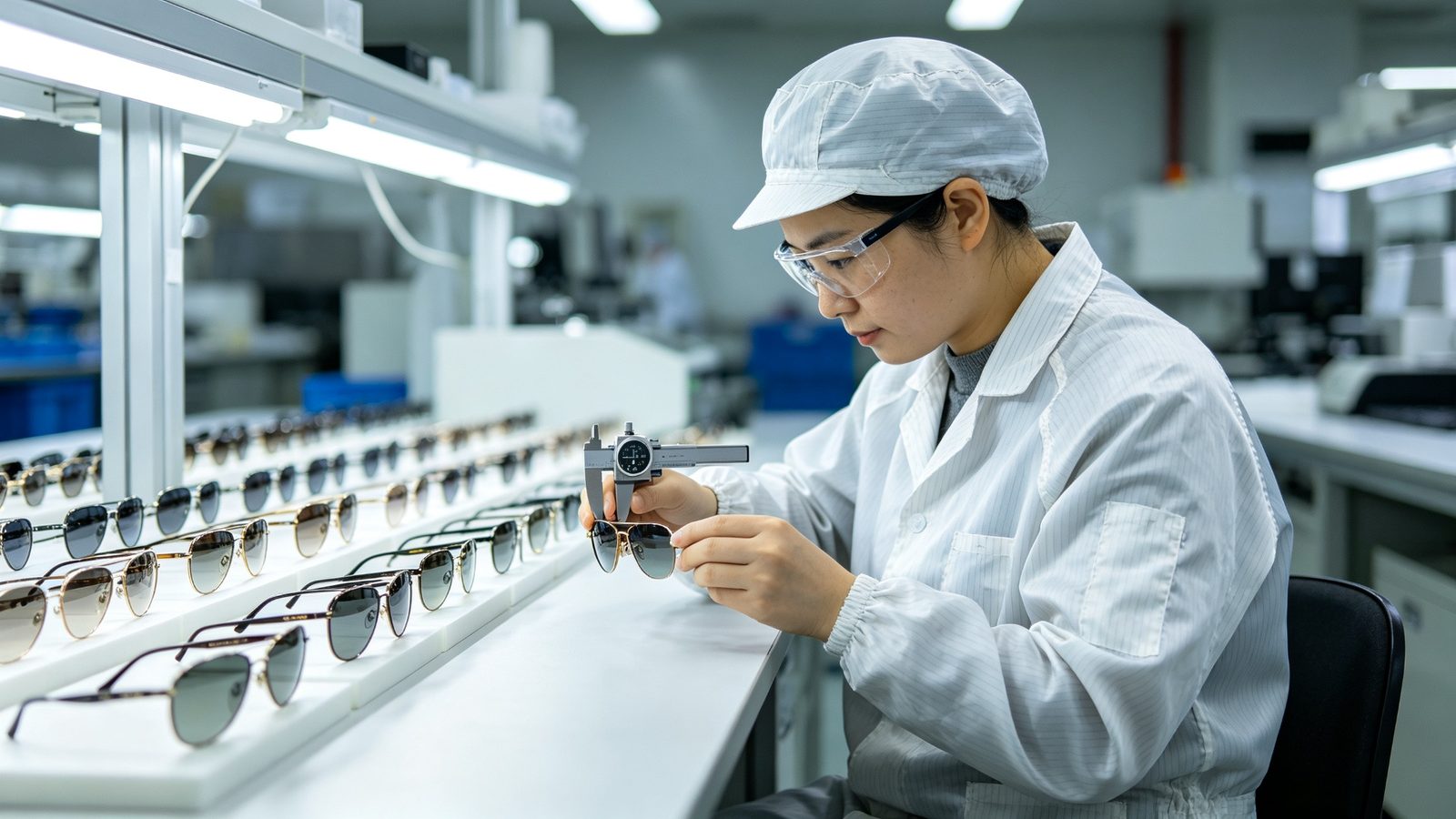
At JM Optical, aviator development can be approached from both the design side and manufacturing side. For B2B customers, the development process can be built around:
- acetate and bio-acetate options
- titanium and metal construction
- combination-material engineering
- custom colors and laminations
- custom hinges and hardware
- logo and branding details
- prototype development
- OEM/ODM customization
- production QC
- international B2B supply requirements
The objective is not simply to manufacture an existing aviator. It is to help transform a global trend into a commercially viable collection.
From Global Trends to Commercial Collections.